Places to visit in Thailand: pick the region first
In short: The places to visit in Thailand fall into four pockets: Bangkok, Chiang Mai, the Andaman coast (Phuket, Krabi) and Koh Samui. Pick two. November to February is usually the easy season.
You search for Thailand and get a list of far too many names. Bangkok, Pai, Phi Phi, Samui, Ayutthaya, all of them lovely, and no hint that Chiang Mai is 700 km north of Bangkok. A list of names is not a plan, and that’s the list’s fault, not yours.
If you want the hotel, transfers and sightseeing sorted in one place, VeeTrips lists a Delhi-departure package with the inclusions spelled out, and the about page shows who you’d be talking to in Dwarka. Choose the regions first, though. That’s what the rest of this page is for.
I’ve sorted everything by region, because that decides how many of your days go on flights and ferries. Wikivoyage splits the country into North, Isaan, Central, East and South. For a first trip I’d only look at four of those pockets.
Thailand’s main regions for a first trip, and what each is for
| Region | Main places | Good for | The catch |
|---|---|---|---|
| Bangkok and the centre | Grand Palace, Wat Pho, Wat Arun, Ayutthaya | Temples, food, markets, history | Hot and crowded; palaces have a strict dress code |
| The north | Chiang Mai, Doi Suthep | Old temples, hills, slower days | Smoky air from February to April |
| Andaman coast | Phuket, Krabi, Phi Phi, Phang Nga Bay | Beaches, boats, cliffs | Rough sea and strong currents in the monsoon |
| Gulf islands | Koh Samui, Ang Thong | Beach days when the west coast is wet | Its rainy months are Oct to Dec |
Source: Wikivoyage on Thailand and the regional pages linked below

Bangkok and the centre: temples, boats and one day trip
Most trips start here, and it’s the pocket that needs the least explaining. Wikivoyage says the most pleasant time for Bangkok is the cool season from November to February. March and April it calls “the worst season to visit”, and the wettest months are September and October.
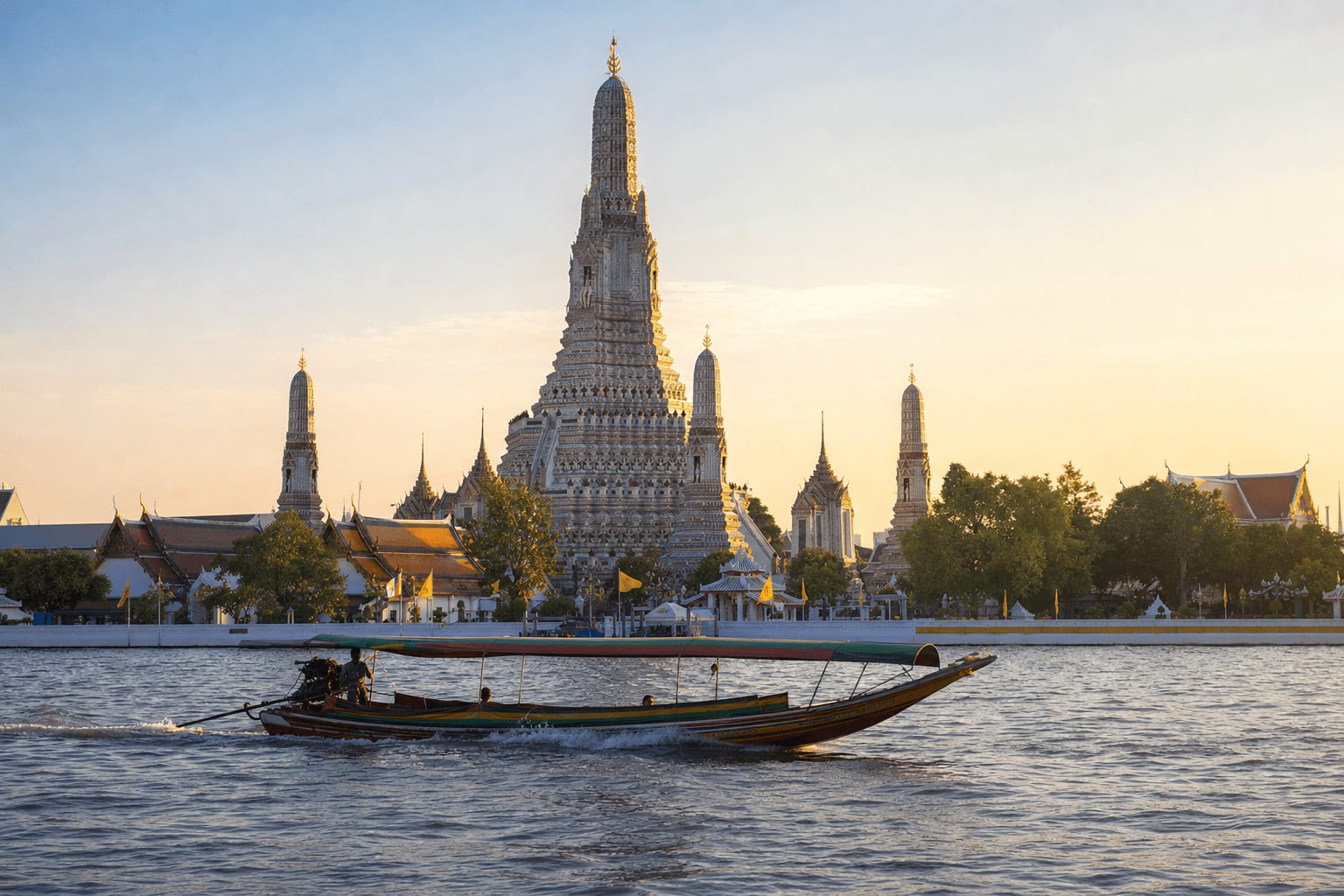
The old river district is the part I’d keep. The Grand Palace, Wat Pho and Wat Arun sit along the Chao Phraya, and Wikivoyage says most visitors take a canal tour or at least a river ferry to reach Wat Arun. Cross-river ferries cost 4.5 baht. I couldn’t find entry fees or opening hours on any page I read, so check those on the day. Don’t take a number from me.
One thing worth knowing before you pack. Wikivoyage says some palaces and temples have a strict dress code: everyone must cover their torso, legs and upper arms. Shorts and a vest won’t do. Vendors at some sights rent cover-ups, but plan your clothes the night before.
It also warns about touts. At Khao San Road, and at river piers, someone may tell you the express boat isn’t running and offer a “faster” way. Sometimes that’s untrue. Walk to the pier and look.
Ayutthaya, if you want a day out of the city
Ayutthaya was founded in 1351 by King Ramathibodi I, and part of the historical park became a UNESCO World Heritage Site in 1991. It’s the one old-capital day trip I’d add. I couldn’t confirm a drive time from Bangkok from a source, so ask whoever books it.

Chiang Mai and the north: slower, older, further
Chiang Mai is the one most people regret not allowing enough time for, because getting there is a trip of its own. Wikivoyage says non-stop buses from Bangkok take around 9 hours and trains 12 to 15 hours. Flights are frequent. That’s why I’d treat it as a separate stop, not a day out.
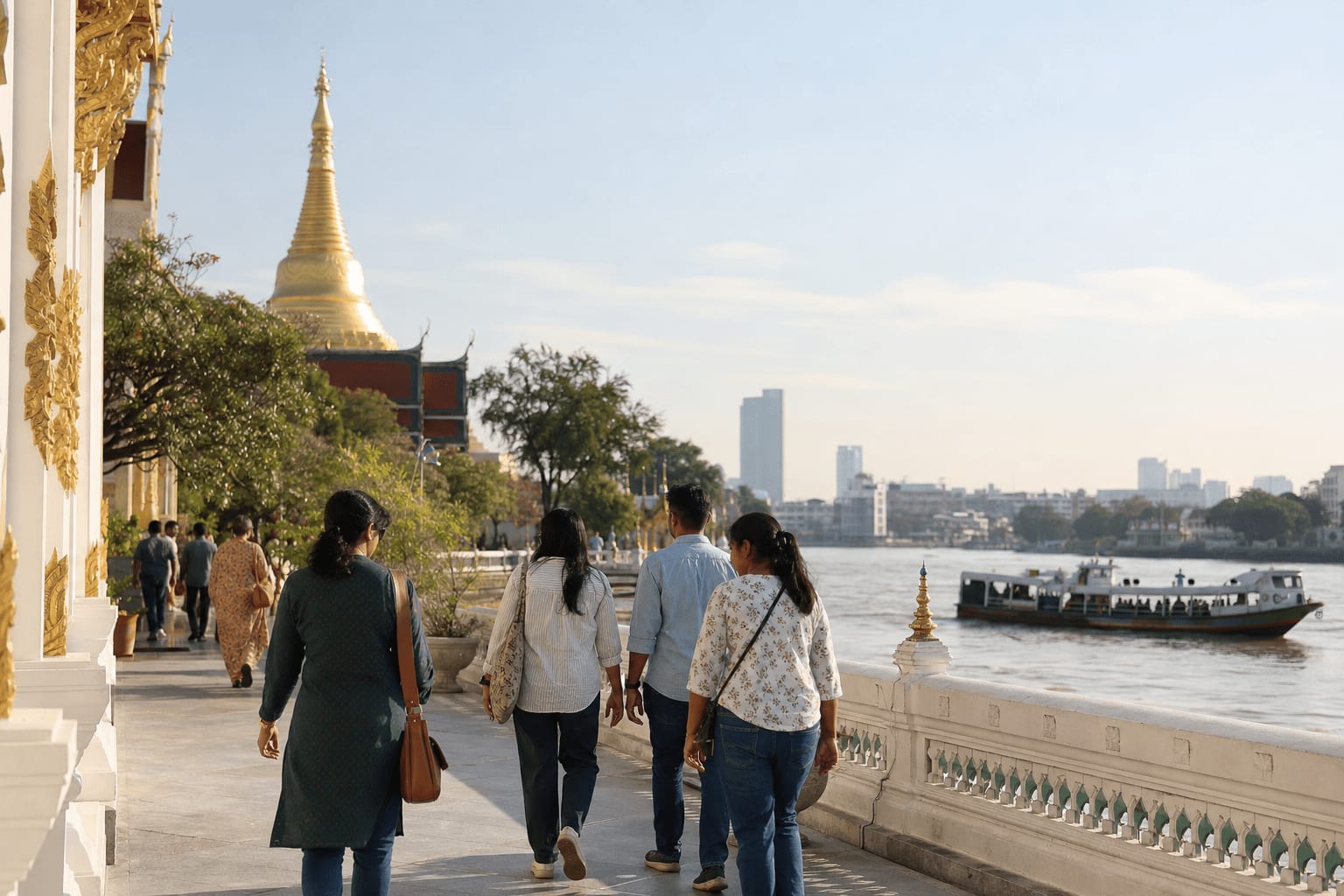
Inside the Old City, the moat is about 6.5 km round and there are more than 30 temples within the remaining walls. Wat Phrathat Doi Suthep sits on a mountainside 13 km away, and locals say you haven’t done Chiang Mai until you’ve seen the view from there.
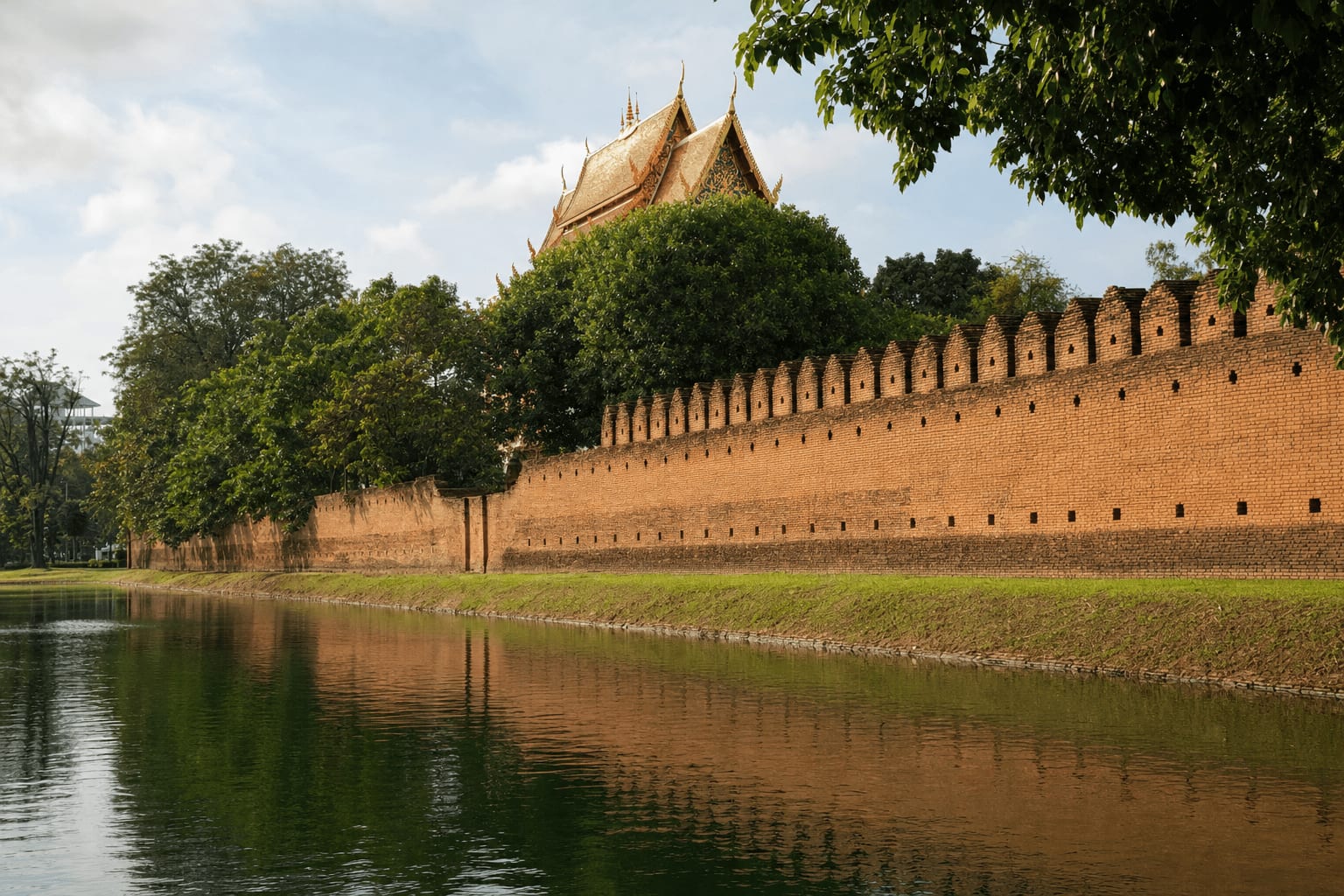

The catch is the air. Wikivoyage says the “burning season” from February to April causes severe smog from agricultural fires, and that it can hide the mountain views. So the north is a November to February idea. Come in the smoky months and the best part of the trip is the part you can’t see.
Phuket, Krabi and the Andaman coast: beaches and limestone
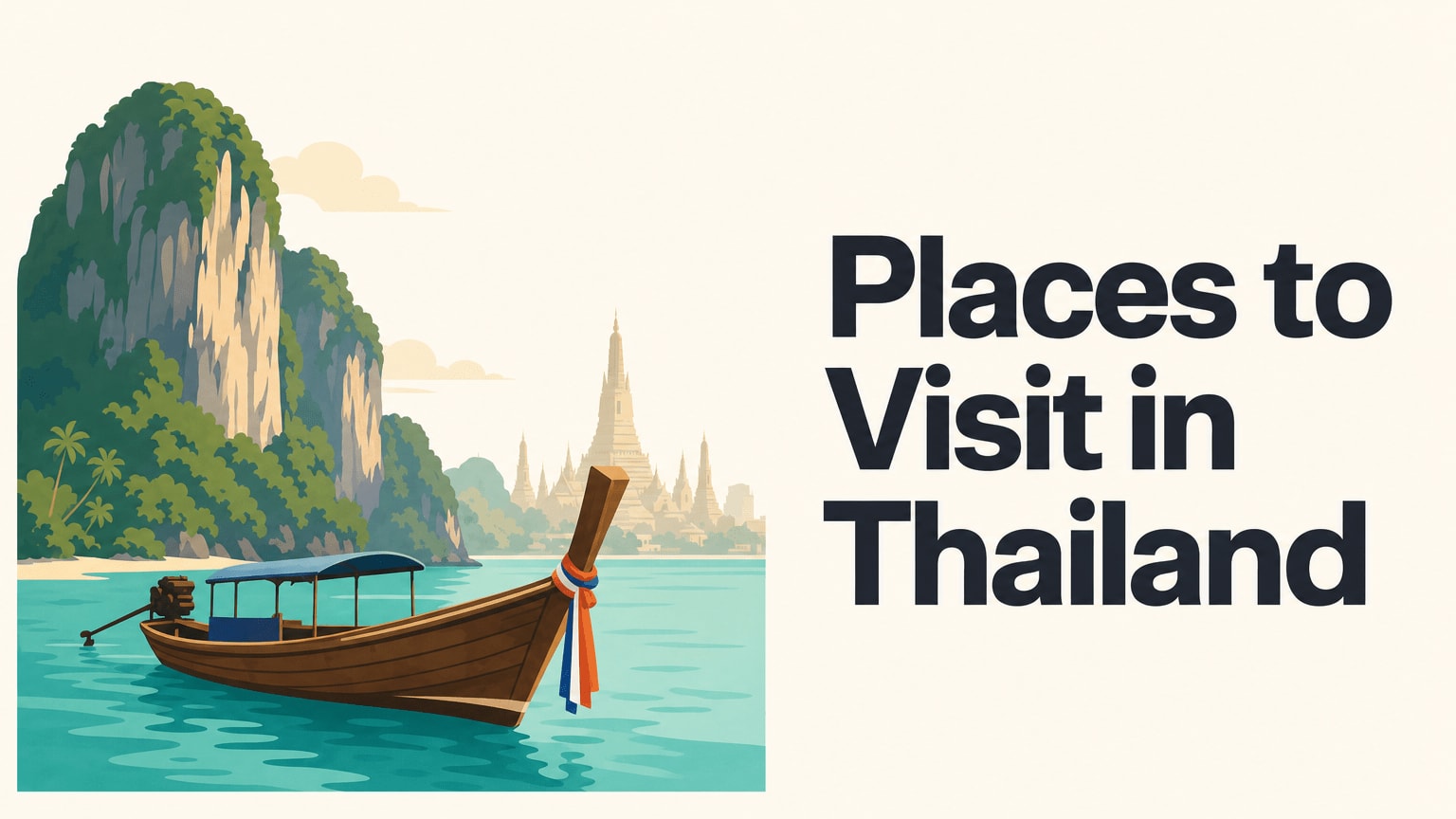
This is the Thailand of the postcards: limestone cliffs, long-tail boats, warm sea. It’s also the pocket where the season matters most.
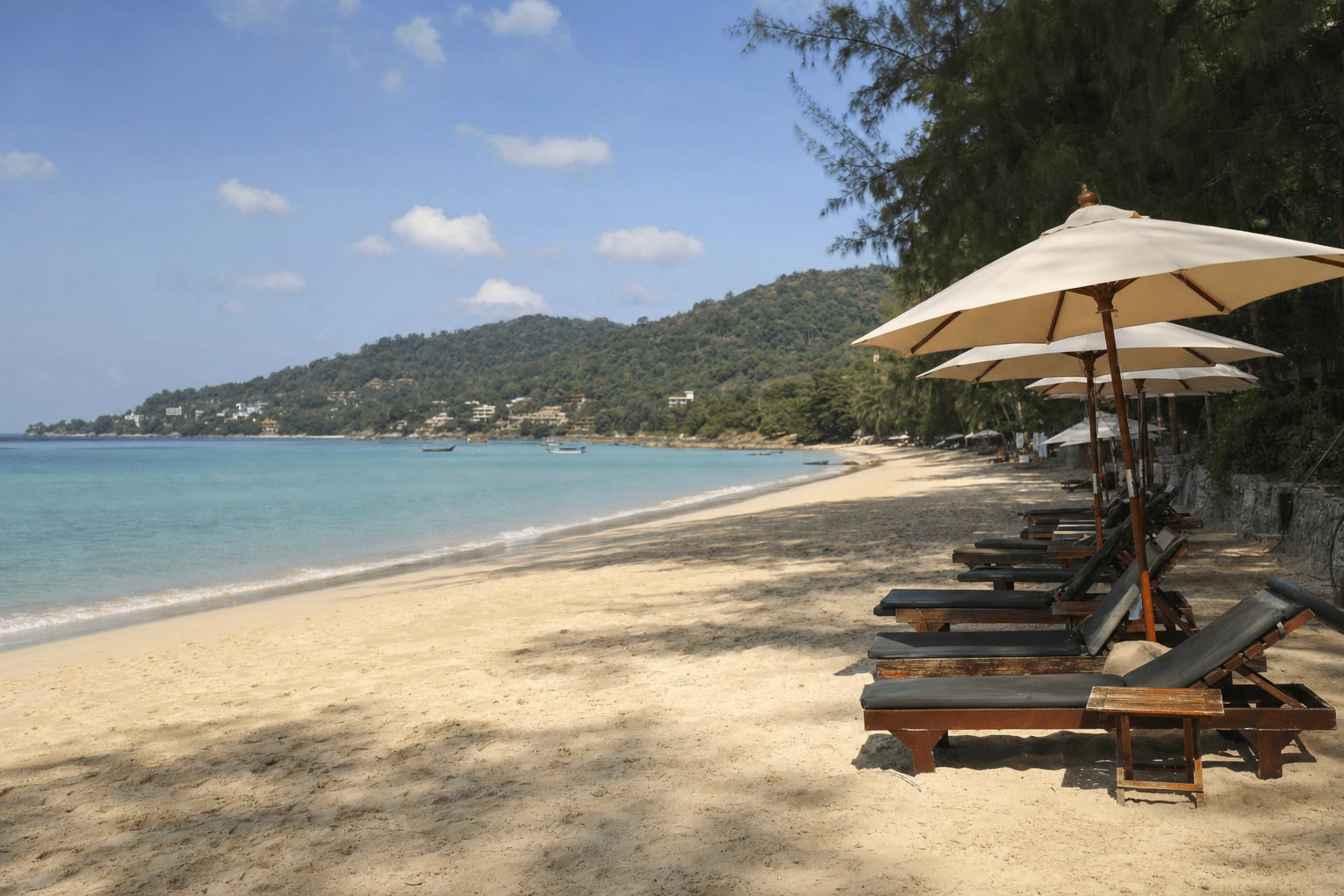
On Phuket, Wikivoyage calls Patong “the largest and most popular beach resort known for its nightlife”. Kata is busy but clean, with good surf. Nai Han in the south is “somewhat quieter”, and Nai Thon and Nai Yang inside Sirinat National Park are quieter still. Pick the beach by who’s coming. A couple who want sleep won’t enjoy Patong at midnight.
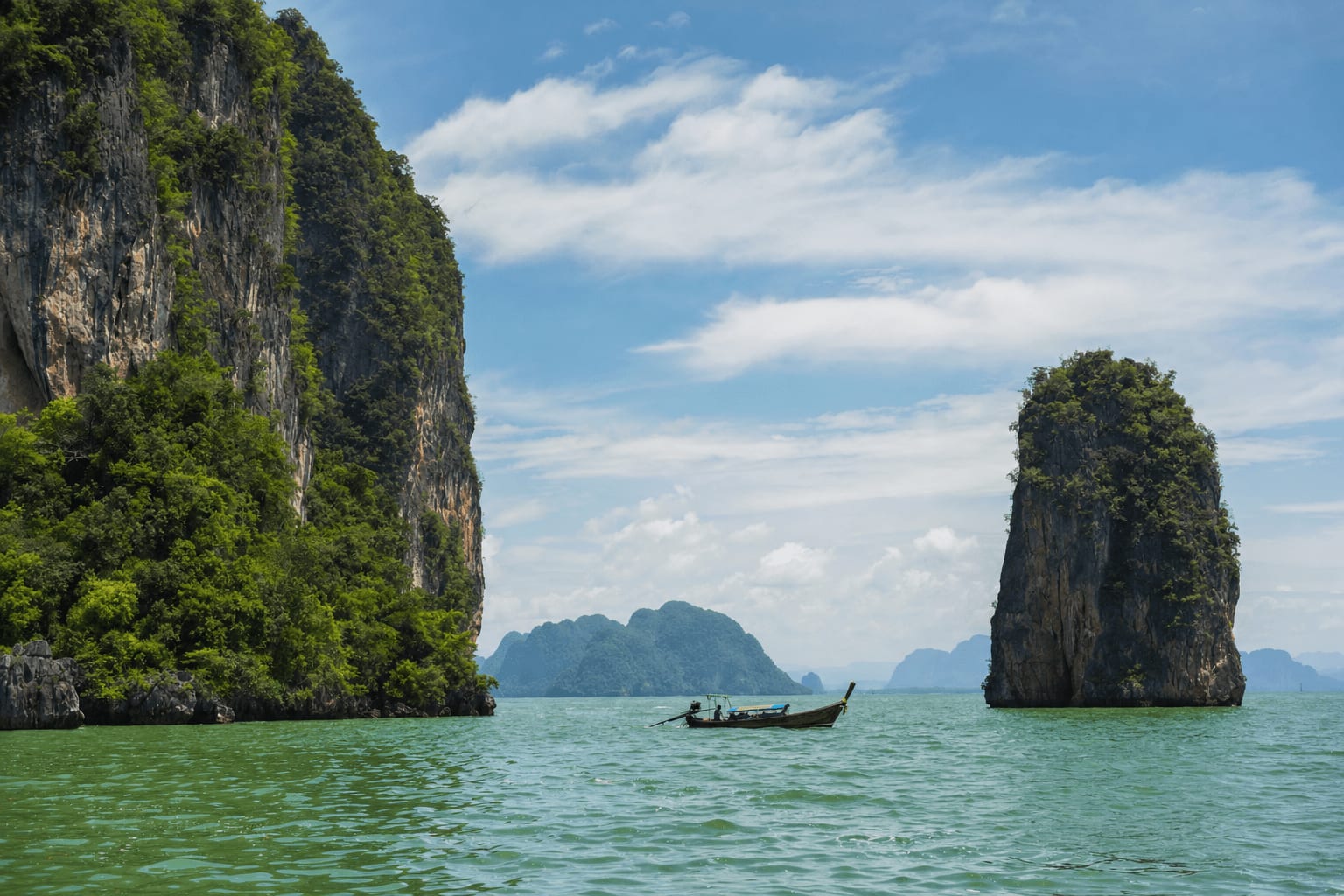
Phang Nga Bay is the day out. The national park is famous for limestone cliffs, caves, mangroves, fishing villages and James Bond Island, and many grottoes can only be reached by sea canoe.
In Krabi, Ao Nang is the most developed beach, and Railay is a rock-climbing peninsula that’s only reachable by boat. So if you or your parents don’t like boarding small boats with luggage, ask where your hotel is before you book it. Phi Phi is 42 km from Krabi town.


The monsoon question
Wikivoyage says Phuket’s summer monsoon runs roughly May to October, with strong currents on many beaches and drownings that are common. It puts the high season at November to May. For Krabi it says the best time is November to April, with heavy rain from June to November.
I won’t promise a dry week in any month. Nobody can. But if the swim is the point of your trip, aim for the cool, dry months and obey the beach flags.
Koh Samui and the Gulf islands: the opposite weather
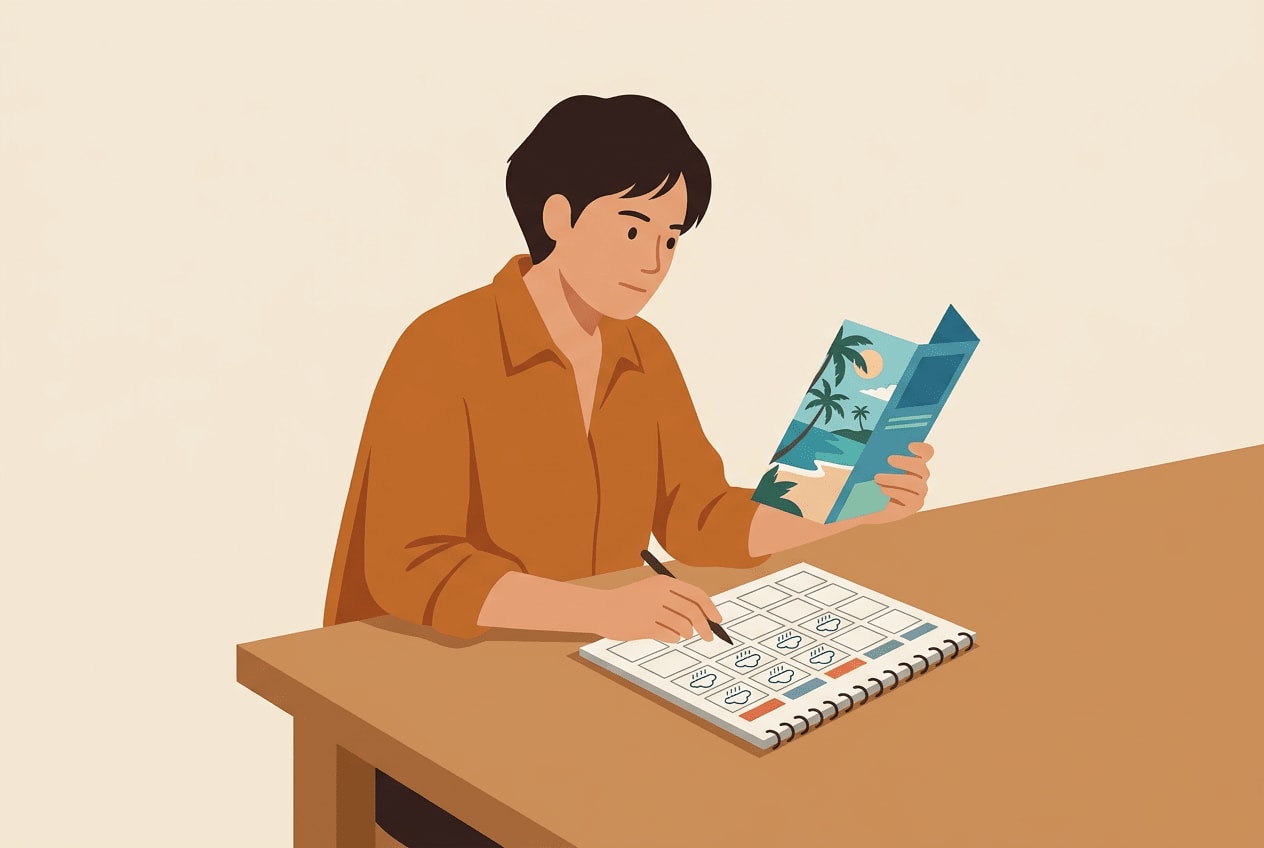
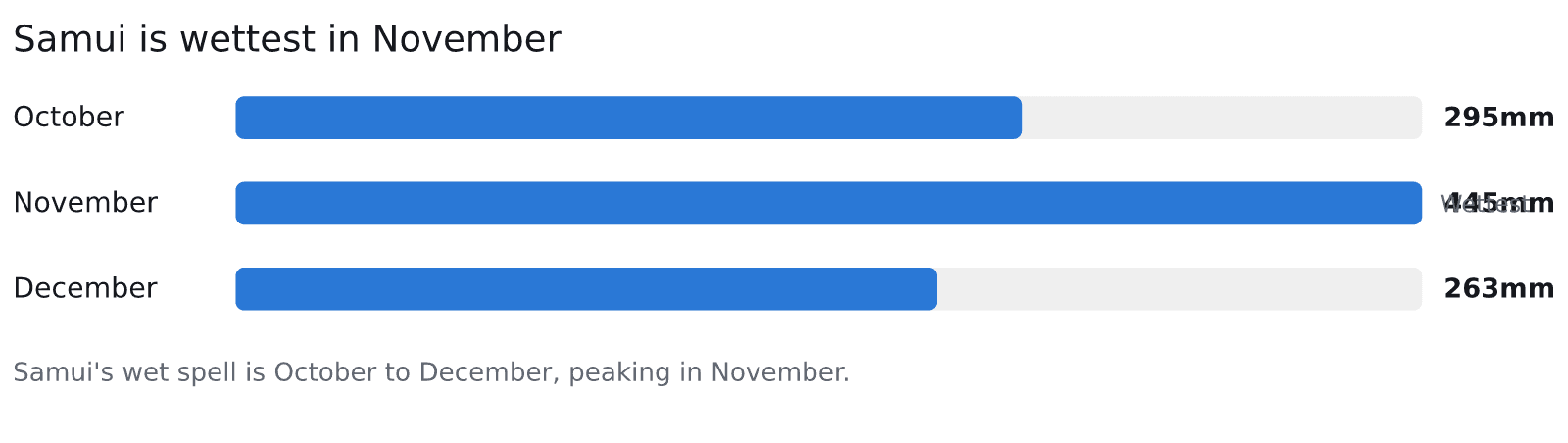
Samui’s weather runs the other way, and that’s why it’s worth knowing. Wikivoyage says that from October to December it’s wet in Samui and drier elsewhere, and that its best time is January and February. Its figures put the wettest months at October (295 mm), November (445 mm) and December (263 mm).
So if your dates fall in November, Phuket and Samui are not the same bet. That’s the single most useful fact on this page for a Delhi winter holiday.
Chaweng is the largest, most developed beach, with nightlife. The northern beaches (Mae Nam, Bophut, Choeng Mon) are described as more peaceful. The Ang Thong Marine Park nearby has over 80, mostly uninhabited, islands, and Wikivoyage calls it a kayaking and snorkelling paradise.


Getting there is easy. Bangkok Airways flies from Bangkok almost every hour, says the same page.
Which places to visit in Thailand for who
What kind of trip you want, and where to start
| You are | Start with | Then add |
|---|---|---|
| First time, about a week | Bangkok, then one beach region | Ayutthaya day trip |
| Travelling with parents | Bangkok river district, Chiang Mai in the cool months | One calm beach, early in the day |
| Couple wanting beach and quiet | Krabi or Samui’s northern beaches | Phang Nga Bay boat day |
| Friends wanting nightlife | Bangkok, Patong | Phi Phi for a day |
Quiet or busy decides more than the list does. A parent who wants shade won’t thank you for a midday temple queue in April. Ask each person.
Putting regions together
Here’s how I’d do it. Don’t stack Chiang Mai and the beaches into a week unless you’re happy to fly; the north is a separate trip by bus or train. Pair Bangkok with one coast. And pick the coast by month: Andaman for November to April, Samui for January to February, and remember Samui’s wet spell is Oct to Dec.
With 5 nights, I’d do 2 in Bangkok and 3 on one coast. With 10, add Chiang Mai in the cool season, or a second beach. Keep one slow day. You’ll want it.
Before you book
- Pick two regions, then the places inside them.
- Ask what’s in the price: flights from Delhi, hotel, transfers, meals, entry fees. Don’t compare headline prices only.
- Check the entry rules close to your dates. On 27 July 2026 the Royal Thai Embassy in New Delhi said the Cabinet had approved, on 14 July 2026, a 30-day visa exemption for Indian passport holders visiting for tourism, with longer stays needing an e-visa. Rules have changed before. Check the embassy site again before you pay, and ask us about visa assistance if you want a hand.
- Foreigners entering Thailand also need a Digital Arrival Card online, within 72 hours of arrival, according to Wikivoyage.
We’re a single-owner agency in Dwarka, so if your dates move you can call the office and speak to one person. I’d still sort the regions first.
Frequently asked questions
What are the best places to visit in Thailand for first-timers?
Bangkok for the temples and river, then one coast. Phuket or Krabi suit November to April, and Koh Samui suits January and February. Add Chiang Mai only if you have more than a week.
When is the best time to visit Thailand?
Usually November to February, the cool season, when Wikivoyage says it doesn’t rain much. Samui is the exception: its wet spell is October to December.
How many days do I need for Bangkok and a beach?
I’d say 5 nights at the least: 2 in Bangkok and 3 on a coast. Add days before adding places.
Is Chiang Mai worth the trip?
If you like old temples and slower days, yes, in the cool months. Avoid February to April, when smog from farm fires can hide the views.
Do Indians need a visa for Thailand?
The Royal Thai Embassy in New Delhi said on 27 July 2026 that a 30-day exemption for tourists had been approved. Rules have changed several times, so check the embassy site before you book.
Is Thailand safe to swim in the monsoon?
Often not. Wikivoyage says strong currents on many Phuket beaches in the summer monsoon cause drownings. Follow the flags and ask your hotel.