
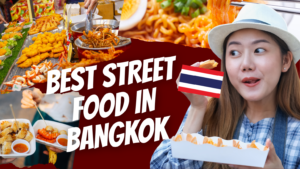
Bangkok doesn’t really have a food scene, it has thousands of them, one on every corner, each with its own plastic stools, hissing wok, and a queue of locals who know exactly which stall is worth the wait. Finding the best street food in Bangkok isn’t about hunting down some hidden secret. It’s about knowing where to look, what to order, and which dishes define this city’s reputation as one of the world’s great food capitals.
This Bangkok street food guide walks through the dishes, neighborhoods, and practical tips you need to eat like a local on your next trip. And if you want the food crawl built into a full itinerary, VeeTrips offers Bangkok and Pattaya tour packages that include local guides and curated food stops.
Why Bangkok’s Street Food Culture Is So Legendary
Thailand’s street food tradition goes back generations, shaped by Chinese immigrant cooking, royal Thai cuisine, and the sheer practicality of feeding a fast-moving city. Vendors set up carts and stalls that specialize in exactly one or two dishes, perfected over years, sometimes decades. That specialization is the secret behind why a plate of noodles from a nameless cart can taste better than anything you’d get in a formal restaurant. This is also why Bangkok has earned Michelin recognition for several of its street vendors, a rare honor that puts humble carts on the same map as fine dining.
The Dishes That Define the Best Street Food in Bangkok
Pad Thai
No list of Bangkok’s essential dishes is complete without pad thai, stir-fried rice noodles tossed with egg, tofu, shrimp or chicken, bean sprouts, and a tamarind-based sauce that balances sweet, sour, and salty in a single bite. The best versions are cooked over blistering-hot woks right in front of you, finished with a squeeze of lime and crushed peanuts. Thip Samai near Wat Ratchanaddaram is often cited as the gold standard, though plenty of neighborhood carts do a version just as satisfying.
Som Tam (Green Papaya Salad)
Som tam is where Thai food shows its fiery, punchy side. Shredded green papaya gets pounded in a mortar with chilies, garlic, lime, fish sauce, and palm sugar, often with dried shrimp or peanuts mixed in. It’s spicy, tangy, and refreshing all at once, ask for it “mild” if you’re not used to Thai-level heat, because vendors will absolutely take you at your word if you ask for it full strength.
Moo Ping (Grilled Pork Skewers)
Cheap, smoky, and endlessly satisfying, moo ping is marinated pork grilled over charcoal until slightly charred at the edges. It’s a common breakfast item, usually sold alongside sticky rice, and costs next to nothing per skewer. You’ll find carts selling it on nearly every block, especially near morning markets and BTS stations.
Khao Man Gai (Hainanese Chicken Rice)
This dish looks simple, poached chicken over rice cooked in chicken fat and stock, but the details matter enormously. The rice should be fragrant and slightly savory, the chicken tender, and the accompanying ginger-chili-soy sauce is what really makes it sing. It’s comfort food in its purest form and a staple lunch option across the city.
Guay Teow (Thai Noodle Soup)
Bangkok’s noodle soup culture runs deep, with countless variations built around rice noodles, pork or beef broth, meatballs, and fresh herbs. Bowls range from clear and light to dark and slightly sweet depending on the broth style. Most stalls let you customize spice level, noodle type, and toppings, which is part of the fun of ordering.
Mango Sticky Rice
For dessert, mango sticky rice is non-negotiable. Sweet glutinous rice soaked in coconut milk, paired with ripe mango slices and a drizzle of coconut cream, sometimes topped with crispy mung beans for texture. Seasonal mango quality varies, so the best versions tend to show up between March and June when mangoes are at their peak.
Gai Yang and Other Grilled Skewers
Grilled chicken, marinated in a blend of garlic, coriander root, and pepper, is a street food staple often served with sticky rice and a tangy dipping sauce. Beyond chicken, you’ll find grilled squid, sausages, and skewered meatballs at nearly every night market, each vendor putting their own spin on the marinade.
Where to Find the Best Street Food in Bangkok
Chinatown (Yaowarat) is arguably ground zero for Bangkok’s street food scene, especially after dark when the entire strip lights up with food carts, seafood stalls, and dessert vendors. It’s chaotic, crowded, and absolutely worth it.
Chatuchak Weekend Market combines shopping with an enormous food section, making it easy to graze through dozens of dishes in one visit.
Victory Monument is a local favorite for boat noodles, a rich, intensely flavored broth traditionally served in small bowls so you can try several variations without filling up too fast.
Ari and Ekkamai neighborhoods offer a more relaxed, less touristy street food experience, popular with younger locals and often cheaper than the more famous tourist-heavy areas.
Or Tor Kor Market is known for high-quality ingredients and prepared foods, a good stop if you want street food in a slightly more organized, sit-down setting.
Practical Tips for Eating Street Food in Bangkok
Look for stalls with a steady stream of local customers, turnover means fresh ingredients and food that hasn’t been sitting around. Carry small bills, since most vendors deal in cash and won’t always have change for larger notes. Don’t be afraid to point at what looks good; menus aren’t always translated, and pointing works just fine.
Spice levels can catch first-timers off guard, so it’s worth asking for “mai phet” (not spicy) or “phet nit noi” (a little spicy) if you’re unsure how much heat you can handle. Street food is generally very safe in Bangkok, but as with any travel, drink bottled or filtered water and ease into unfamiliar dishes gradually rather than sampling everything on day one.
Best Time to Go Street Food Hunting
Evenings, roughly 6 to 10 p.m., are when most stalls are in full swing and the city’s night markets come alive. Early mornings, around 6 to 9 a.m., are ideal for breakfast items like moo ping and rice porridge, often enjoyed by locals heading to work. Avoid the hottest midday hours if you’re planning to walk between multiple food stops, many vendors take a break during the peak heat anyway.
A Realistic Bangkok Street Food Itinerary
For a satisfying one-day crawl: start with khao man gai or rice porridge for breakfast, grab som tam and moo ping for a midday snack, head to Chinatown in the evening for noodle soup and grilled seafood, and finish with mango sticky rice from a dessert cart nearby. This kind of loosely planned route through Bangkok’s food scene doesn’t require a strict schedule, half the fun is wandering and stumbling onto a stall that looks too good to pass up.
Frequently Asked Questions
- Is street food in Bangkok safe to eat?
Yes, generally. Stick to stalls with high customer turnover, freshly cooked food, and visibly clean prep areas. Avoid pre-cut fruit or anything that’s been sitting out for a while, and drink bottled or filtered water to be safe.
- How much does street food in Bangkok cost?
Most dishes cost between 40 and 100 Thai baht, roughly ₹100 to ₹250. Even a full day of grazing across multiple stalls rarely adds up to more than a few hundred baht per person.
- What is the best street food to try first in Bangkok?
Pad thai and khao man gai are the easiest starting points for first-timers, since they’re mild, widely available, and give a good baseline for Thai flavors before moving on to spicier options like som tam.
- Do I need to speak Thai to order street food?
Not really. Pointing at dishes works fine, and many vendors in tourist-heavy areas understand basic English. Learning a few words like “mai phet” (not spicy) can help, but it’s not essential.
- What’s the best neighborhood for street food in Bangkok?
Chinatown (Yaowarat) is the most famous, especially at night, but Ari and Ekkamai offer a quieter, more local experience if you want to avoid the biggest crowds.
- Is it customary to tip street food vendors in Bangkok?
Tipping isn’t expected at street stalls. Rounding up to the nearest convenient amount is appreciated but entirely optional.
- When is the best time of day to eat street food in Bangkok?
Evenings between 6 and 10 p.m. are when most stalls and night markets are at their liveliest, though breakfast items like moo ping are best enjoyed early in the morning.
Final Thoughts
Bangkok’s street food scene isn’t something you can fully experience in one meal or even one trip. It rewards curiosity, following your nose down an alley, trusting a long line of locals, and being willing to try something you can’t quite pronounce. Whether you’re chasing pad thai perfection or hunting down the city’s best mango sticky rice, exploring the best street food in Bangkok is one of the most rewarding ways to understand what makes this city’s food culture so beloved around the world. Planning the trip? Check out VeeTrips’ Thailand tour packages or browse their complete travel services for flights, hotels, and guided food tours.