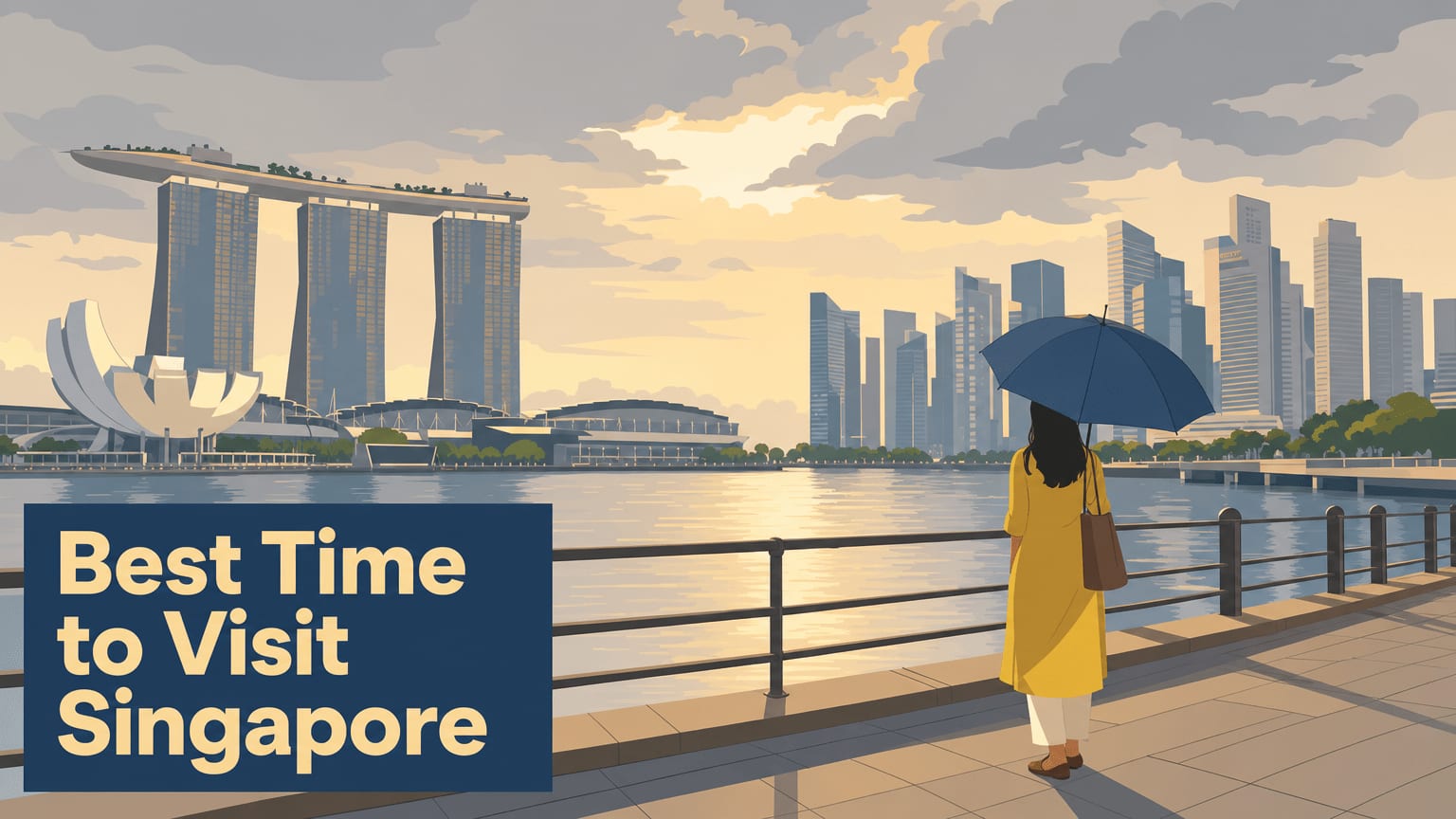
Best time to visit Singapore: February, usually
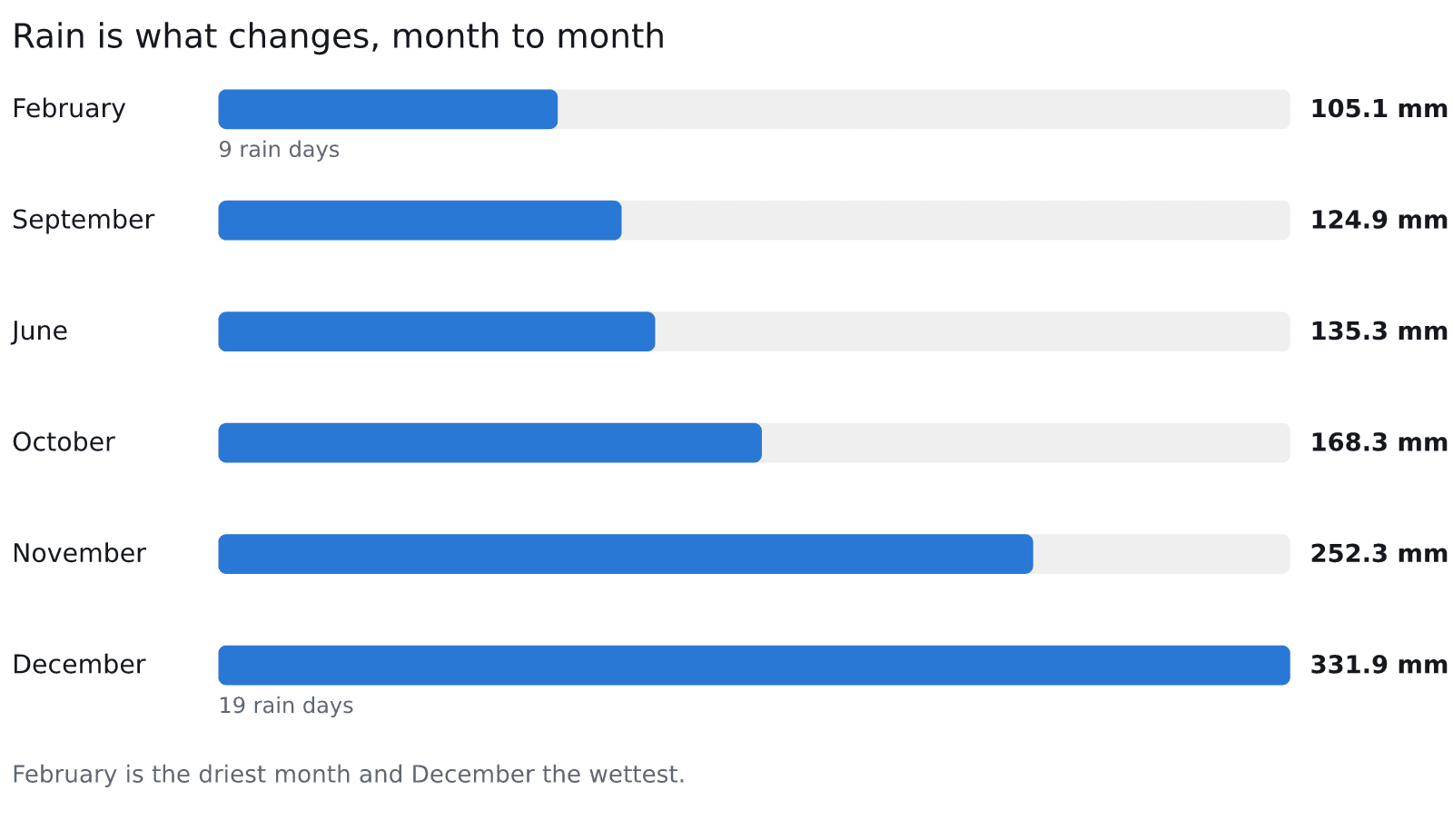
In short: The best time to visit Singapore is usually February to March. February has the least rain, 105.1 mm over 9 rain days. November to January is the wettest stretch, and haze can show up from May to October.
Someone in the family says “go in December, it’s cheaper”, a website says “never go in the monsoon”, and another says July is peak. They can’t all be right. Here’s the odd part: Singapore is hot every month, so none of that is about heat. It’s about rain, haze and who else is in town.
If you want the hotel, transfers and sightseeing sorted in one place, VeeTrips lists a Delhi-departure package with the inclusions spelled out, and the about page shows who you’d be talking to in Dwarka. Pick the month first, though.
The year in one table
These are the 1991 to 2020 averages for Singapore. They’re averages. Any week can run wetter or drier, and I won’t promise you a particular day.
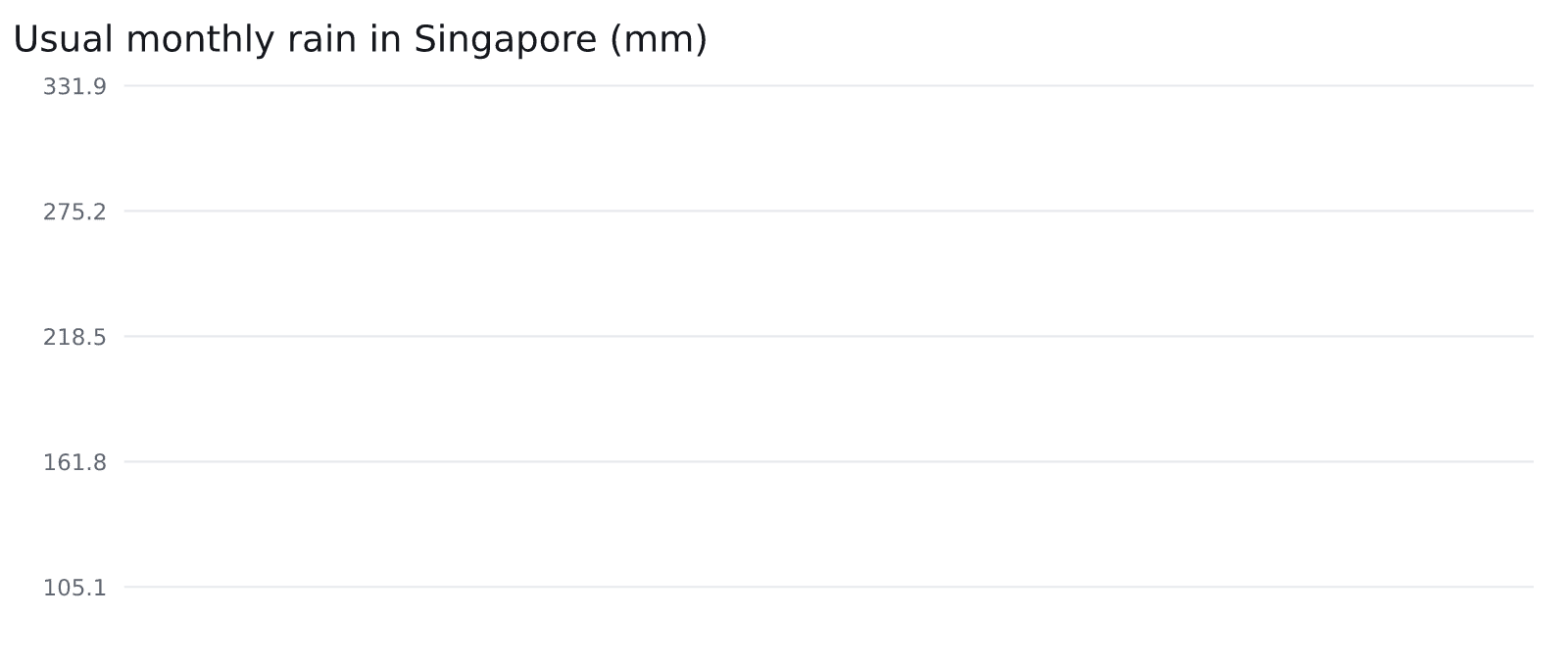
Usual rain by stretch of the year in Singapore
| Stretch | Rain a month (mm) | Rain days a month | The catch |
|---|---|---|---|
| December to January | 331.9 and 221.6 | 19 and 13 | Wettest, northeast monsoon |
| February to March | 105.1 and 151.7 | 9 and 12 | Driest, but Lunar New Year can fall in February |
| April to May | 164.3 each | 15 each | Hottest, 32.4 °C and 32.3 °C by day |
| June to September | 124.9 to 146.9 | 13 to 14 | Southwest monsoon, haze possible |
| October | 168.3 | 15 | Haze possible, Grand Prix weekend |
| November | 252.3 | 19 | Rain builds up fast |
Look at the heat first. The usual daily high runs from 30.5 °C in December to 32.4 °C in April, and the night never drops below 24.3 °C. So you can’t pick a month by temperature. The year adds up to 2,113.2 mm of rain over 171 days, and what changes is how it’s spread.
So why do guides disagree about peak season?
Because “peak” means two things, and pages mix them. One is weather. The other is how many people want to be there and what they pay.
On weather, the answer is clear from the table. The northeast monsoon runs from mid-November to early March and the southwest monsoon from June to September, and November to January is the rainiest period. On crowds and fares, I couldn’t find a dated source with month-by-month prices from Delhi, so I won’t give you a figure. Any guide that does, check where it got it.
What I can say is my reading. The weather is best when the holiday crowd isn’t the biggest, and the other way round. December has the worst rain and the Christmas and New Year pull. February has the best odds on rain, and Lunar New Year can pull it the other way.
Month by month
Usual high, then rain and rain days, from the same table.
All twelve months side by side: usual high, rain and the main catch
| Month | Usual high (°C) | Rain (mm) | Rain days | The catch |
|---|---|---|---|---|
| January | 30.6 | 221.6 | 13 | Still wet |
| February | 31.5 | 105.1 | 9 | Driest month, Lunar New Year closures (6 February in 2027) |
| March | 32.2 | 151.7 | 12 | Still a good bet, a bit hotter |
| April | 32.4 | 164.3 | 15 | Hottest high of the year, rain returns |
| May | 32.3 | 164.3 | 15 | Same rain as April, haze season starts |
| June | 31.9 | 135.3 | 13 | Haze possible. Indian school holidays are likely to push demand up (my expectation, not a figure) |
| July | 31.4 | 146.6 | 14 | Much like June, haze possible |
| August | 31.4 | 146.9 | 14 | National Day, 9 August |
| September | 31.6 | 124.9 | 13 | Second driest month, haze risk |
| October | 31.8 | 168.3 | 15 | 2027 Grand Prix is 8 to 10 October, Deepavali around October or November |
| November | 31.2 | 252.3 | 19 | Rain steps up |
| December | 30.5 | 331.9 | 19 | Wettest. We’ve written a whole page on Singapore weather in December |
Ready to book?
Got your month? Contact us to book your Singapore trip
Tell us your dates and we’ll send a quote in rupees with the inclusions spelled out line by line. You’ll speak to one person in our Dwarka office.
Rain isn’t the problem you think it is
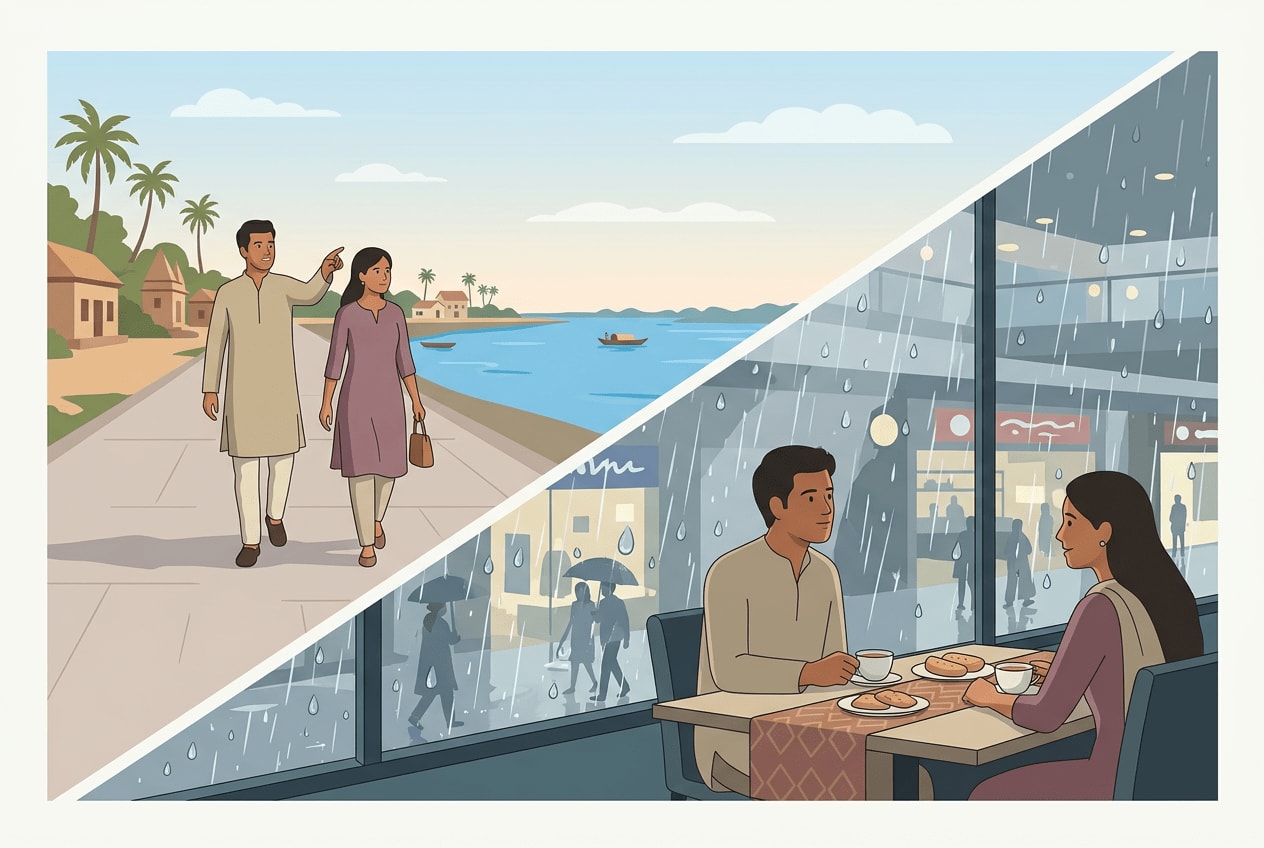
Rain falls almost daily, usually in sudden, heavy showers that rarely last longer than an hour. So even 19 rain days doesn’t mean 19 ruined days. The National Environment Agency (NEA) keeps describing the wet phase as the northeast monsoon, and its advisory said the wet weather was likely to continue for the rest of December 2025.
I’d treat the monsoon as a plan-around, not a deal-breaker. Do the outdoor part in the morning and keep museums and malls for the afternoon.
Haze: the thing most Delhi readers haven’t heard of
From May to October, forest fires in neighbouring Sumatra can cause dense haze. It’s unpredictable and can change quickly. So it’s a risk, not a schedule. Some years there’s none.
If you book in that window, check the NEA’s haze site, haze.gov.sg, in the week before you fly, and ask whoever sells you the trip what happens if you need to change dates. Don’t put your one outdoor day on the day you can’t see the skyline.
Events that should decide the month
Events to know for 2027, and the catch
| Event | When | The catch |
|---|---|---|
| Lunar New Year | 6 February 2027 | Many small shops and eateries close for 2 to 3 days |
| National Day | 9 August | Flags across the city and a National Day Parade |
| Grand Prix | 8 to 10 October 2027 | Marina Bay Street Circuit, so the centre will be busy |
| Deepavali | Around October or November | Little India is brightly decorated |
Source: Formula 1 ticketing
Shoppers: I’d planned to give you the Great Singapore Sale dates. The pages I found disagreed with each other and one said it had been renamed, so I’m leaving them out. Check the date from the organisers close to your trip.

Which month for which traveller
Families with small children or parents: February or March. Less rain and no haze season, and that matters most when the walkers are very young or not young at all.
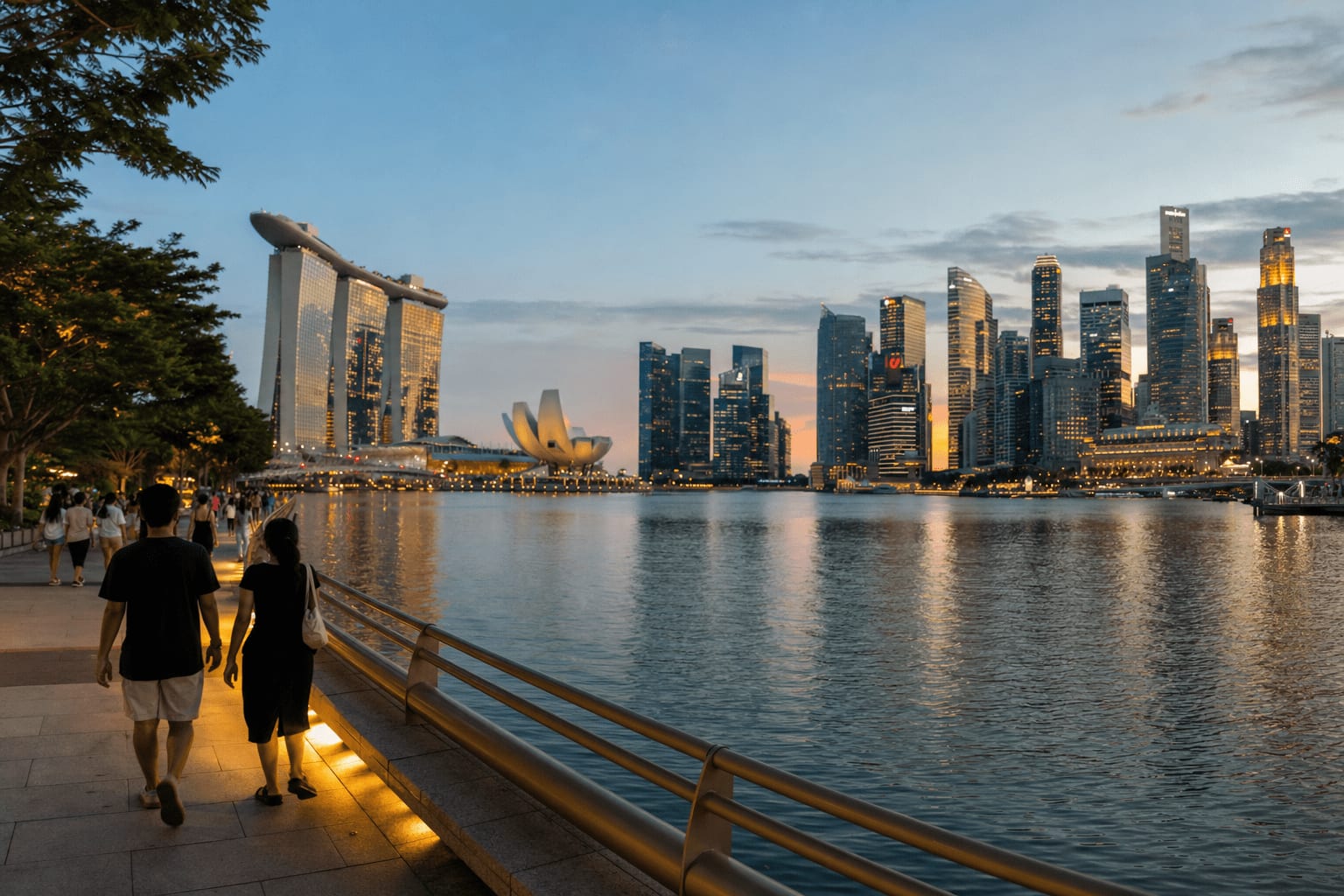
Couples: February, once Lunar New Year has passed. The drier the evening, the better the skyline walk.
Budget travellers: I can’t name the cheapest month with a source. Ask for quotes for two months and compare every line: flights, hotel, transfers, meals, visa.
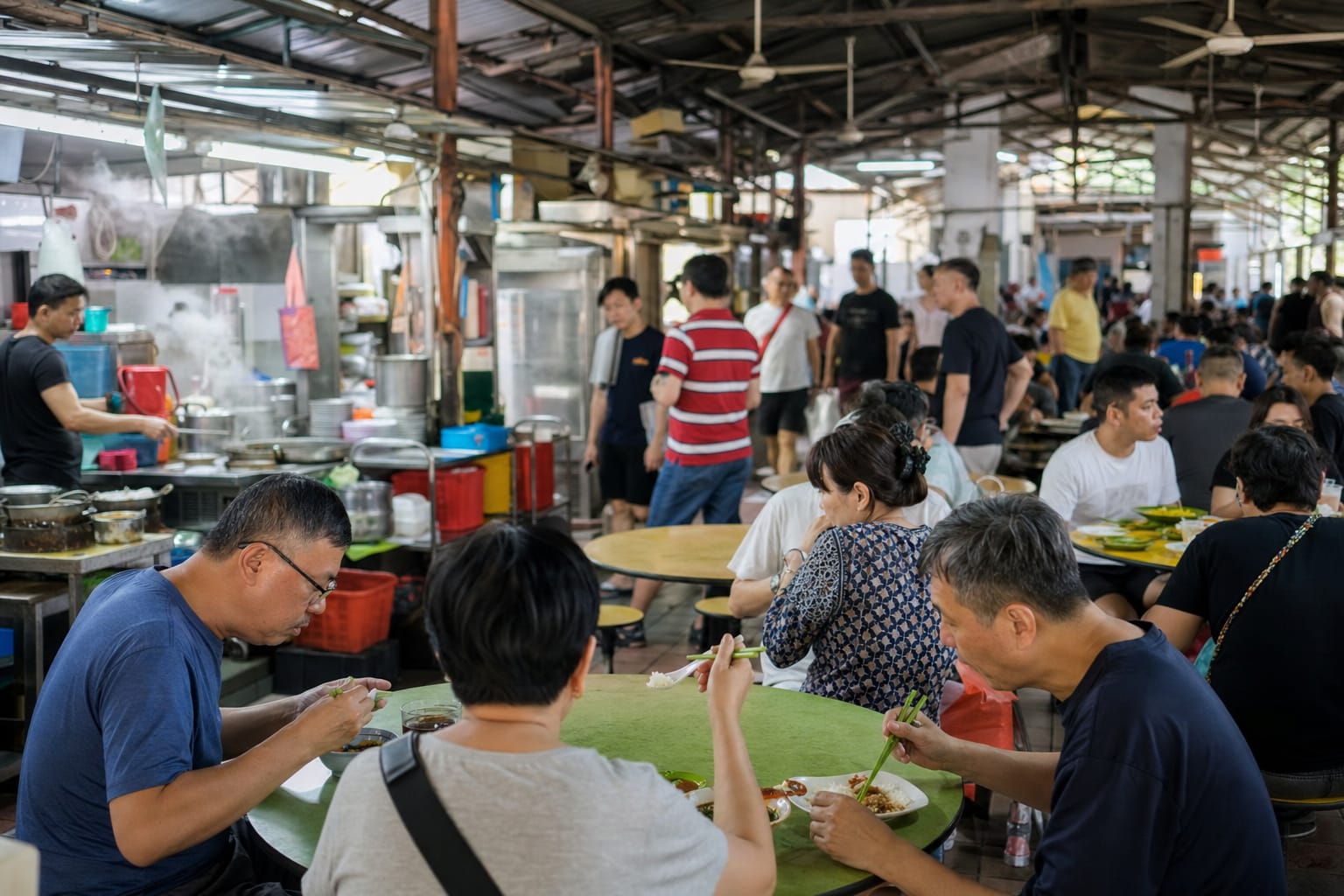
Food trips are fine in any month. Hawker centres and malls don’t care about rain. Sentosa and other outdoor days want February to March, and I’d keep December afternoons for indoor plans.
Delhi travellers: holidays, fares and quotes
Indian school holidays, Diwali and the year-end are when I’d expect fares and hotels to climb. That’s my expectation, not a figure. I looked for a dated source for fares from Indian cities by month and didn’t find one.
So do the check yourself. Ask for two quotes in rupees, one for your dates and one a week either side, and ask whether your dates fall on a peak. Entry rules change, so check them for your dates, and ask us about visa assistance if you’d like a hand with the forms.
We’re a single-owner agency in Dwarka, so if your dates move you can call the office and speak to one person.
What to pack
Light cotton, because it’s hot and humid every month. A compact umbrella for sun and rain. Sandals for wet pavement, and a thin layer for cold air-conditioning in malls and trains. Sunscreen too.
Frequently asked questions
Which month is best to visit Singapore?
February, usually. It has the least rain in the table at 105.1 mm over 9 rain days. March is next. Lunar New Year is 6 February in 2027, so check whether shops will be shut.
What is the cheapest time to fly from India to Singapore?
I couldn’t find a dated source for fares by month, so I won’t name one. Ask for quotes for your dates and a week either side, and compare flights, hotel and transfers line by line.
Which months should I avoid?
November to January if rain is your worry, with December wettest at 331.9 mm. May to October if haze worries you, since Sumatra fires can cause it in that window.
When is peak tourist season in Singapore?
Guides disagree because they mean different things. By weather, the wet stretch is November to January. By crowds I couldn’t find a dated source, so I’d expect December and the school holidays to be busy.
Is the monsoon a bad time to visit Singapore?
Not usually. Showers tend to be sudden, heavy and short, rarely over an hour. Plan outdoor things for the morning.